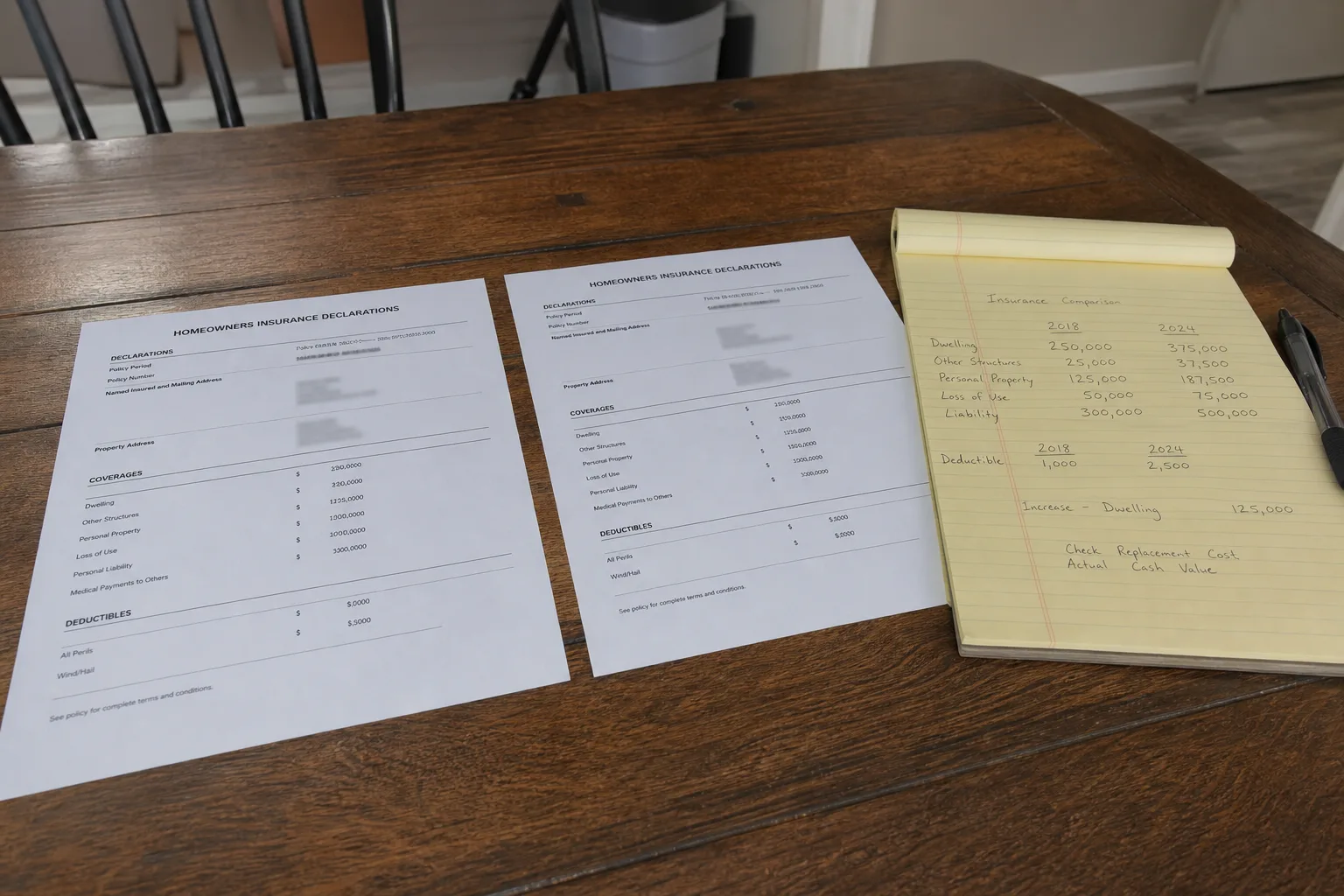
Your Exclusions List Got Longer Since 2015. How to Find Out What You Can Buy Back
An exclusion is a pricing decision somebody made about your house, and at renewal a household has more room to ask about it than most people use.
Latest filing
Collection
16 stories filed to the Personal Finance desk — newest first.
An exclusion is a pricing decision somebody made about your house, and at renewal a household has more room to ask about it than most people use.
Metal prices, laser welding and revised federal disclosure rules have changed which jewelry repairs are worth paying for and what your ticket has to say.
Anyone can be paid to prepare a federal return. What separates the categories is not skill but what each one is permitted to do when something goes wrong.
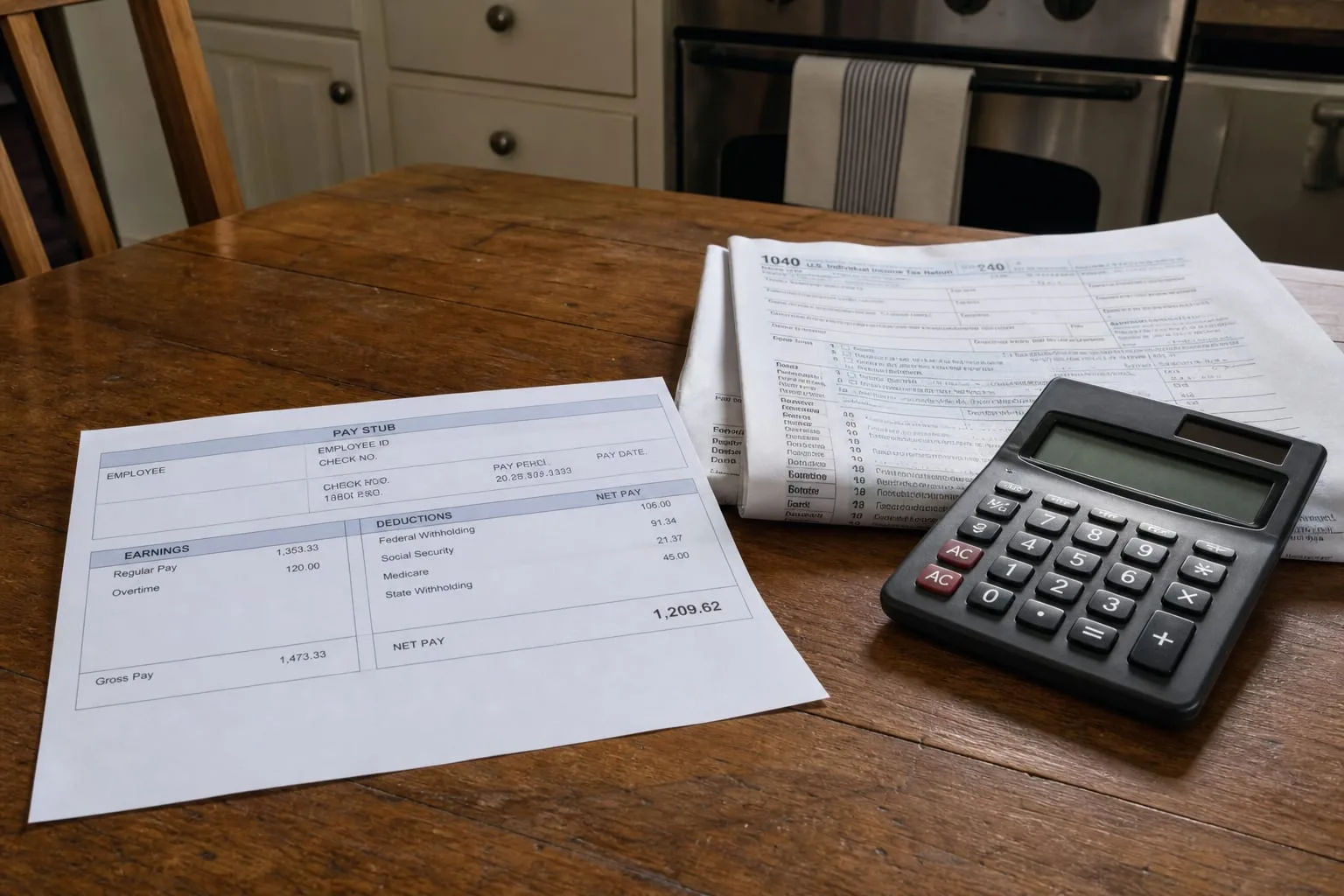
The document arrives twenty-four times a year and gets glanced at for one number. Four other lines on it decide what happens at filing time, and July is when they can still be changed.
Four categories every trade business claims, two of which are usually fine, one that depends entirely on a detail, and one claimed wrongly more often than not.
Three terms on a declarations page decide most of what a claim pays. Two are widely understood. The third quietly reduces every claim on an under-insured building.
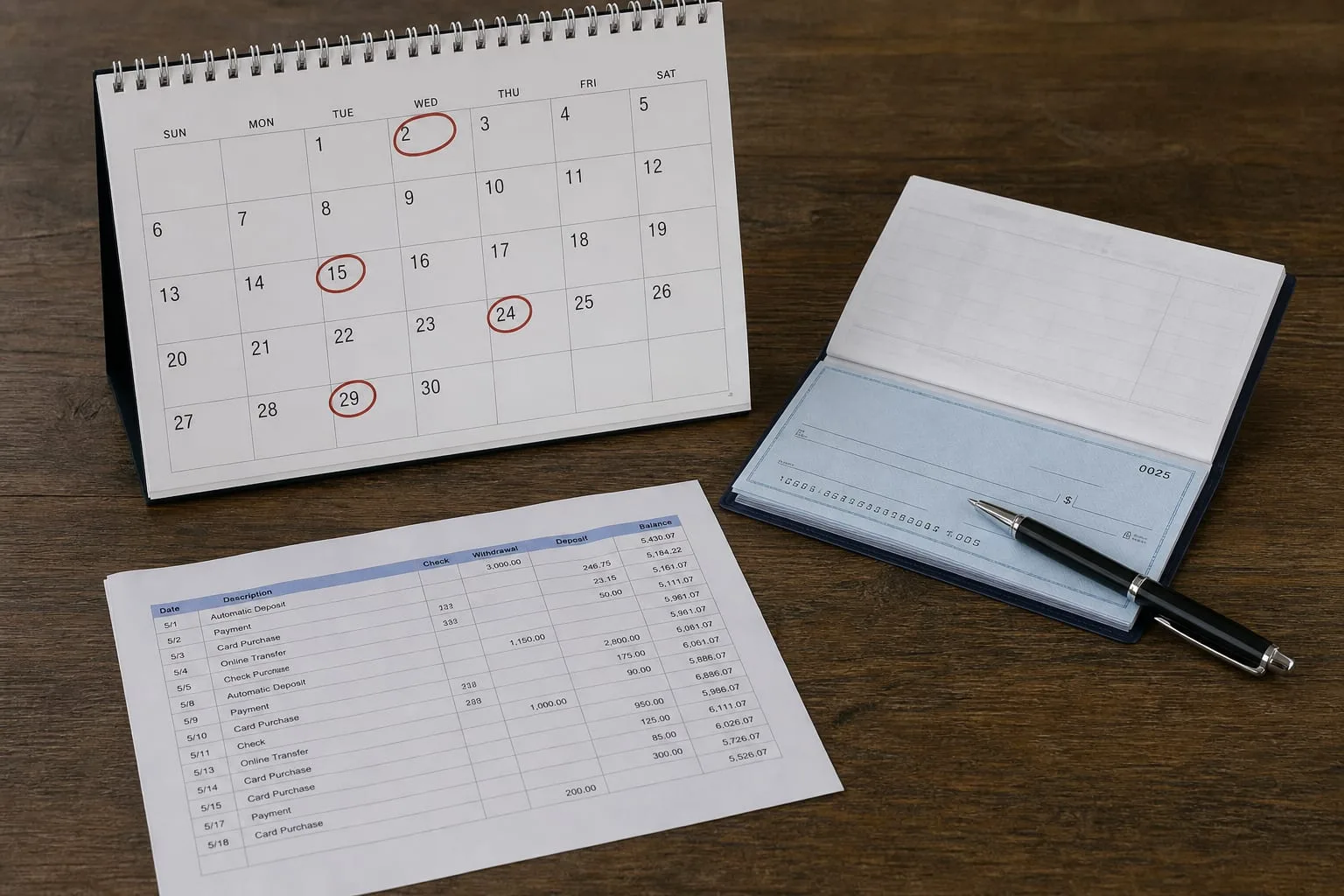
The system was built around employers withholding tax from every paycheck. Anyone paid without withholding has to reproduce that by hand, four times a year.
A claim has two prices: the one you receive, and the one you pay over the following years in premium. The second is invisible at the moment you decide.
Software wins on price for a large majority of returns and keeps winning as they get slightly more complicated. Then it stops, and the crossover is not where people expect.

None of these feels like a tax event while it is happening. All of them change the return substantially, and most are discovered the following spring.
The free tier is real. What decides whether you pay is a set of ordinary situations the software only mentions once you have spent an hour entering data.
Two methods, one choice, and a first-year decision that limits what you can do later. The answer depends on what you drive far more than on how far you drive.

You cannot judge a preparer’s technical skill from your side of the desk. You can judge the intake, and the questions they fail to ask are the ones that cost you.
Bookkeeping fails at the moment of capture rather than the moment of entry. Fix the ten seconds at the counter and the rest of the system stops mattering much.
A policy is sold on the declarations page and decided on the exclusions page, and the second one is always read too late and under pressure.

Preparers rarely refuse to quote. They quote against a description of your year, and most first timers describe it wrongly, which is how a firm price turns into a bill.