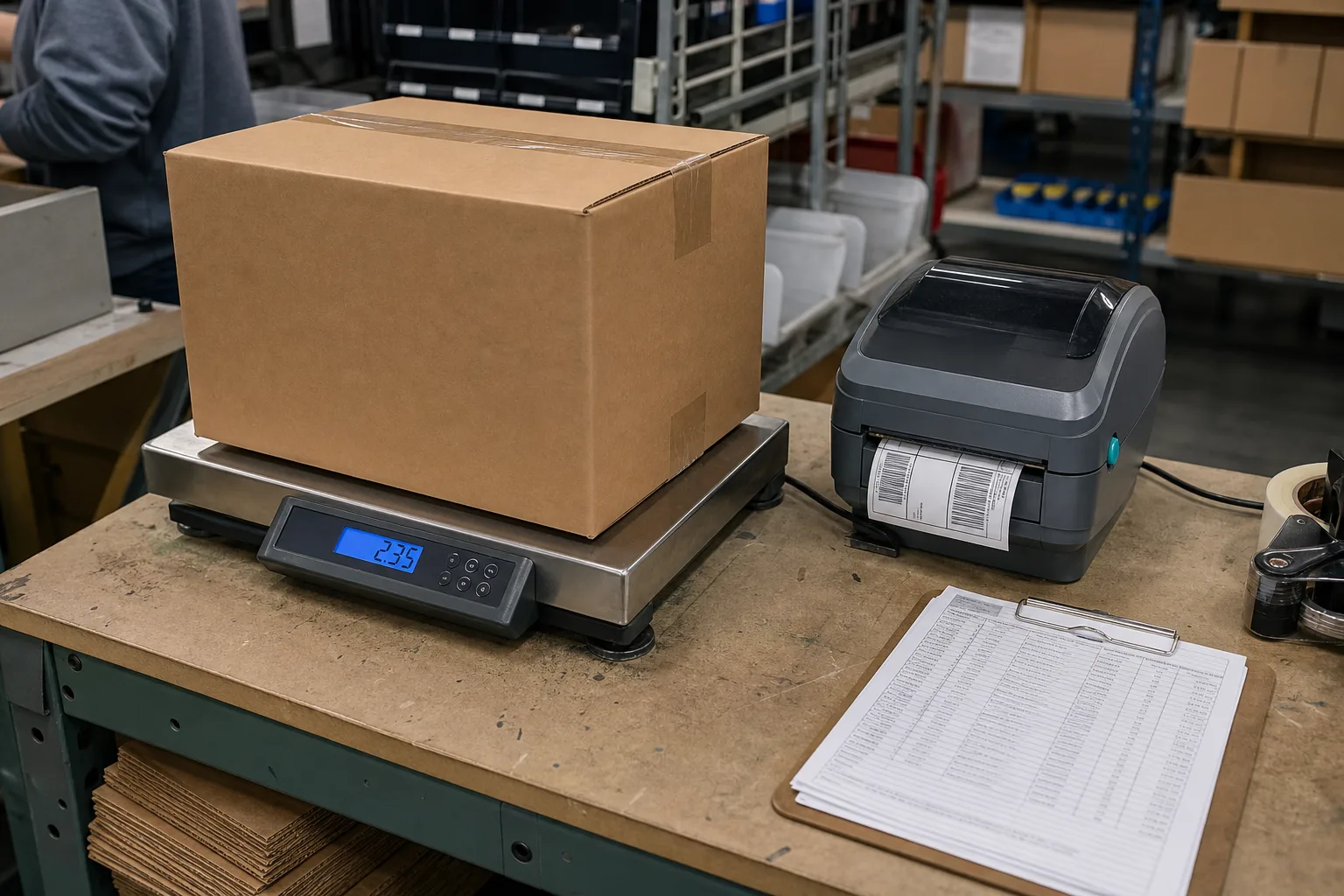
Quoted a Low Pick Fee? Where the Rest of a Fulfillment Invoice Comes From
A fulfillment quote prices a narrow slice of the work. Here is what sits outside it, which rules actually bind, and how to test a rate card before you sign.
Latest filing
Collection
16 stories filed to the Commerce desk — newest first.
A fulfillment quote prices a narrow slice of the work. Here is what sits outside it, which rules actually bind, and how to test a rate card before you sign.
A fulfillment rate card prices a handful of motions. The invoice prices everything else, and a shadow bill run on your own order history finds the gap before it becomes a dispute.
Pay disclosure laws have moved the hardest hiring decisions to the front of the process, and the ads that filter honestly are the ones that answer them.

A decade ago, leaving a wholesale commerce platform meant a services engagement and a pile of CSVs. The export story has improved sharply, but not evenly.
The clause is short, it appears in almost every offer letter in the country, and it is regularly read as meaning more than it says in both directions.
The fear is that a price increase costs you the customers you have. It does cost you some, and which ones they are tells you more than the revenue figure does.

Employers assume people leave for money. This technician left three jobs and money was the reason for none of them, though it was the reason he gave each time.
The comparison is usually made on liability and tax in the abstract. What decides it for most small businesses is the annual cost of compliance nobody mentions at the start.
Seasonal hiring is treated as a fresh recruitment problem every year. For most businesses it is a retention problem that was decided at the end of last season.

Both looked identical on paper and in the interview. By week six one was clearly going to work out and the other clearly was not, and the signal was not about skill.
The books said it was the best month of the year and the account said otherwise. Both were correct, and the gap between them is the most useful thing in small business.
The number in a payment clause is the least important part of it. What decides when you get paid is the sentence describing what starts the clock.

A contractor who is always slightly behind on payment is lending money to customers at no interest, and usually does not realize that is what is happening.
Most people setting a rate take their old salary and divide. That calculation is wrong in four separate places, and all four errors run in the same direction.
The argument against publishing a salary band is about negotiating leverage. The argument for it is about how many hours go into interviewing people who were never going to accept.

One shop advertised the same technician job twice in the same month. The polished version drew four times the applications, and the awkward one produced the hire.