Personal Finance
Standard Rate or Actual Cost? The Mileage Choice Turns on What You Drive
Two methods, one choice, and a first-year decision that limits what you can do later. The answer depends on what you drive far more than on how far you drive.
- Words
- 772
- Written by
- Alma Sandoval
- Filed
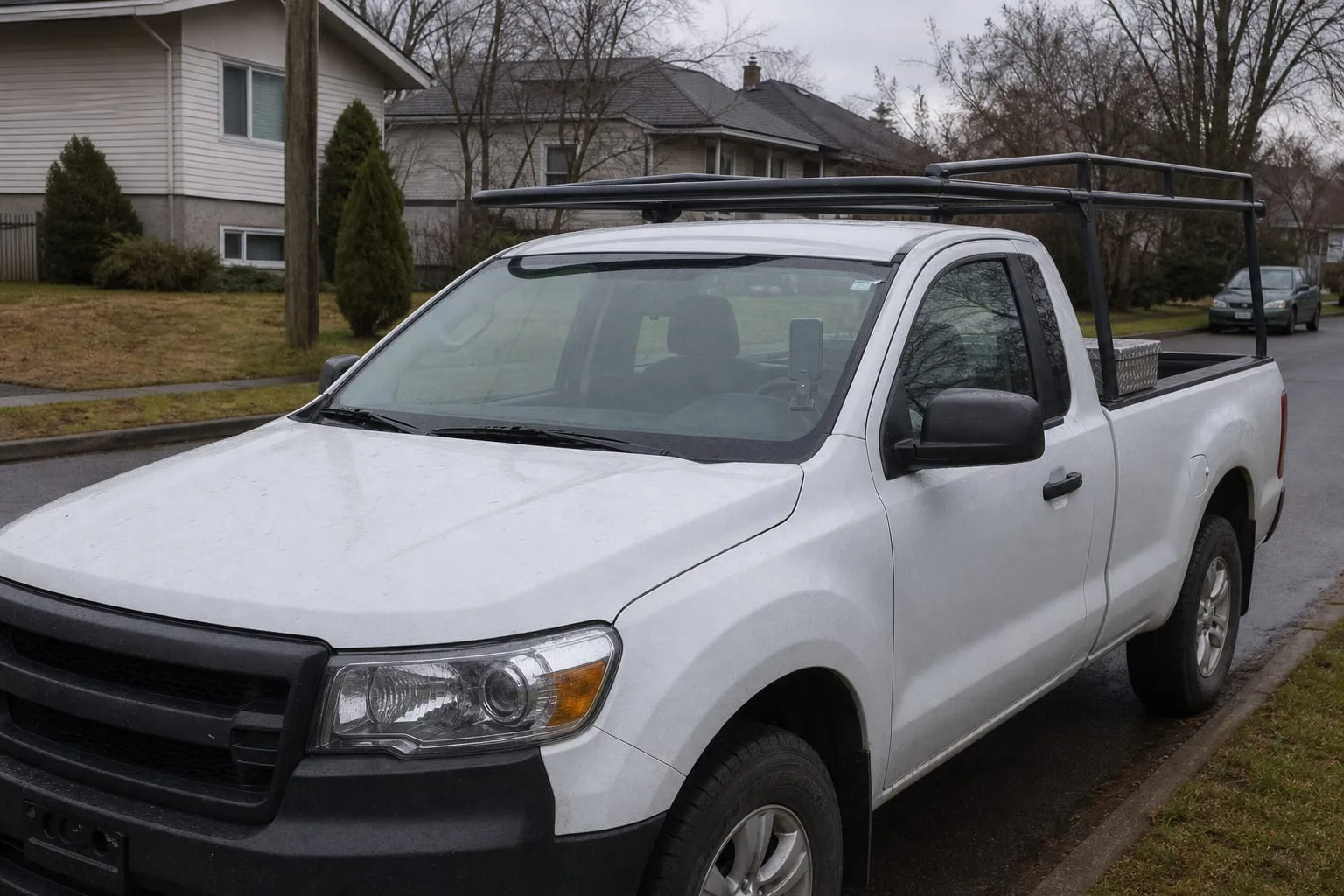
Two vehicles cover the same twelve thousand business miles in a year. One is a used hatchback with modest insurance and a small fuel bill, and the other is a heavy work truck on a commercial policy that drinks fuel and eats tires. The tax deduction available for that identical driving is not remotely the same, because two different methods exist and the gap between them widens with every mile. What decides which method wins is the vehicle rather than the mileage, and what decides whether either is usable at all is a record most people never start.
The Log Comes First Under Either Method
Choosing actual expenses does not exempt anybody from tracking mileage, because the business use percentage applied to those expenses is calculated from miles in the first place. The log is therefore not optional under either method, and building it is the entire discipline. What it needs is small: the date, the destination or purpose, and the miles, plus the odometer at the start and the end of the year so that total miles and the resulting percentage both exist as numbers rather than as estimates made under pressure the following spring.
A phone app that logs drives automatically and lets you swipe each one as business or personal does this without demanding any attention, and the automatic version carries the additional advantage of being contemporaneous, which a spreadsheet assembled in April is not. Commuting between home and a regular workplace is not business mileage, while travel between job sites is, and if you work from home and that is genuinely your principal place of business the first trip of the day is treated differently than it would be for somebody driving to an office.
Which Method Suits Which Vehicle
The standard rate is built around an average vehicle carrying average costs, so the method that wins is decided mostly by how far your vehicle sits from that average in either direction. A fuel efficient car bought used, insured cheaply and driven a great many miles tends to favor the standard rate, because the rate multiplies while your real costs barely move. A heavy truck or van with commercial insurance, high fuel consumption and expensive tires tends to favor actual expenses, because the real costs run well above the per mile average the rate was constructed from.
The First Year Decision That Locks the Door
The choice made in the first year a vehicle is used for business is not neutral, which is the part that catches people. If you want the option of switching methods in later years, the standard rate generally has to be the method you start with, and beginning with actual expenses alongside certain depreciation treatments can close off the standard rate for that vehicle permanently. Leased vehicles carry their own wrinkle, since using the standard rate on a lease generally commits you to it for the whole term.
What Actual Expenses Actually Contains
Fuel, oil, tires, repairs, maintenance, insurance, registration, lease payments or depreciation, and loan interest on a business vehicle, all multiplied by the business use percentage the log produced. Depreciation is the item that decides most close cases, since it is usually the largest single number and it lands heaviest in the early years. That is exactly why actual expenses often wins at the start of an expensive vehicle's life and loses later, once most of the depreciation has been taken and the comparison is fuel and repairs against a published rate.
The Version That Works for Most Households
Run an app all year so that the log exists regardless of what you eventually decide, and keep vehicle receipts wherever you already keep everything else, which costs nothing extra if receipts are already being photographed at the counter. Then in February the inputs for both calculations exist and a preparer can run the comparison in a few minutes rather than telling you what would have been possible if the records had been kept. The rules around switching are specific enough to be worth one short question before the first return on a new vehicle.
That is the honest answer to which method wins. For the hatchback it is usually the standard rate, and the paperwork is lighter. For the work truck it is usually actual expenses, by a margin worth the receipts. And the only way to know which one your own vehicle belongs to is to have kept the record that lets somebody do the arithmetic both ways, which is a single habit rather than two competing ones, and which takes about the same effort whichever answer it eventually produces.
Alma Sandoval
Alma writes about the parts of a deal that are still open.