Personal Finance
The Page Nobody Reads Until It Matters: Four Exclusions That Decide a Homeowners Claim
A policy is sold on the declarations page and decided on the exclusions page, and the second one is always read too late and under pressure.
- Words
- 981
- Written by
- Tobias Renfrew
- Filed
Homeowners policies are sold on the declarations page, which is a page of numbers, and they are decided on the exclusions section, which is a page of sentences. Almost nobody reads the second one until a claim has already been filed, at which point the reading happens under pressure and is done by somebody who has just lost a floor. Four exclusions account for the large majority of denials that genuinely surprise people, and reading those four now, against your own policy rather than against a summary of somebody else's, takes about twenty minutes.
Wear, Tear, and the Line About Maintenance
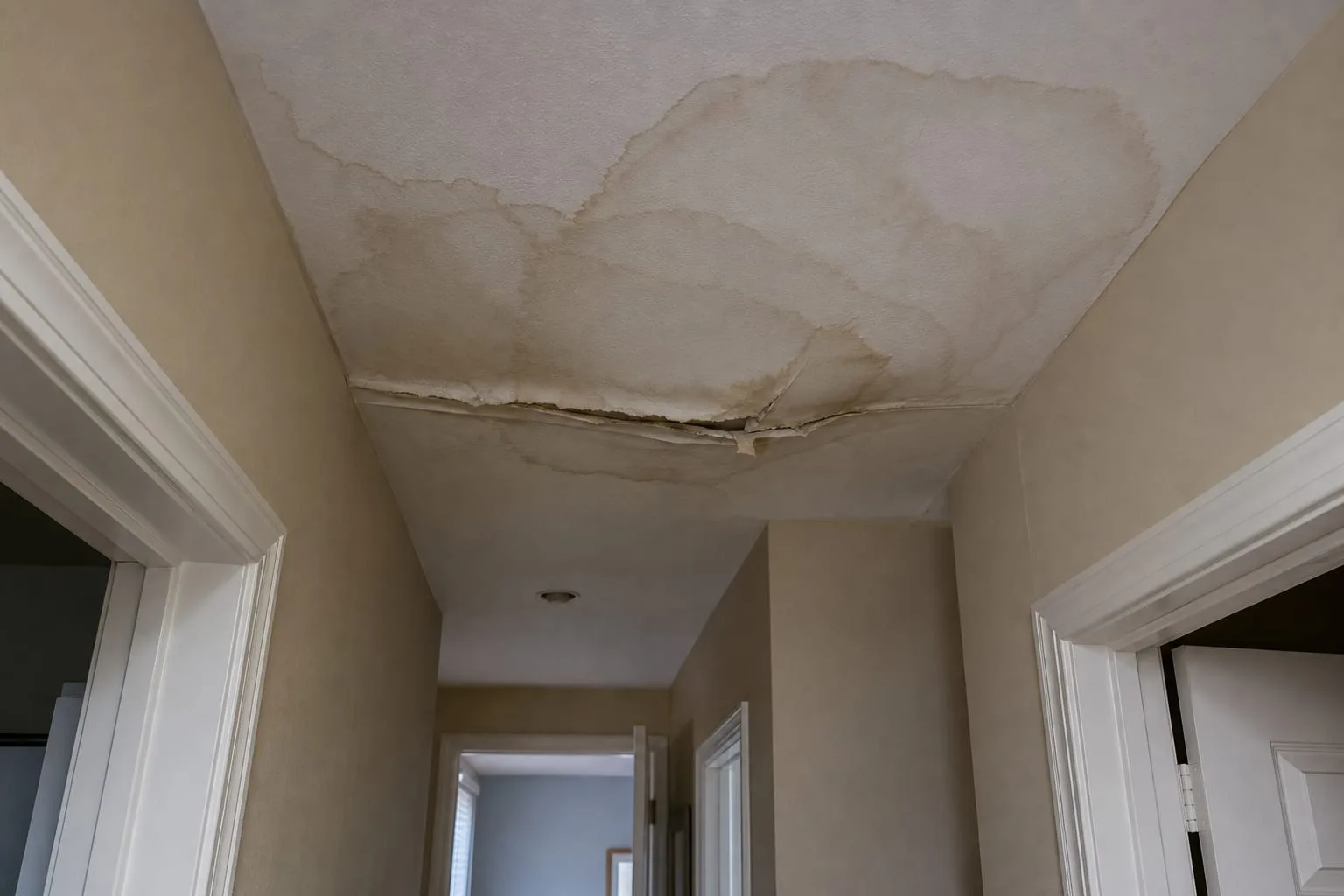
Every policy excludes wear and tear, deterioration, rust, rot and damage that occurs gradually, on the reasoning that the contract covers sudden accidents rather than the consequences of a roof reaching the end of its natural life. That position is legitimate and it is also the exclusion most often reached for when denying a claim the homeowner considered obvious. The place it bites hardest is a slow leak: a supply line that bursts is sudden and covered, while the same line weeping behind a wall for eight months and rotting the framing is characterized as gradual.
What you can do about it is practical rather than legal. Keep dated records of maintenance, meaning roof inspections, the date the water heater was replaced, when the gutters were last cleared, and photographs from whoever did the work. A denial resting on neglect is considerably harder to sustain against a homeowner who can produce a maintenance file, and adjusters will say so openly if asked. The file costs nothing to keep and its whole value shows up on one day, which is the day somebody is deciding whether a loss was sudden or slow.
Sewer and Drain Backup, Which Is Cheap to Fix
Water backing up through a sewer, a drain, a sump or a septic system is excluded from a standard policy, and it happens to be one of the most common losses in older neighborhoods as well as one of the least pleasant to clean up. The useful thing about this exclusion is that it is the easiest of the four to close. Backup coverage is available as an endorsement from nearly every carrier for a modest annual amount, with a limit you select, and it is routinely left off simply because nobody raised it at the point of sale.
Earth Movement, Which Is Broader Than Earthquake
Almost everyone knows earthquake is excluded, and almost nobody reads far enough to notice how much else the same clause captures. The wording will typically also reach landslide, mudflow, subsidence, sinkholes and earth sinking, rising or shifting, which is where the surprises live. A retaining wall that lets go after a wet winter, a slope that creeps, or a foundation settling unevenly on clay soil can all land inside earth movement even though nobody in the household ever felt a tremor or thought of the loss in those terms.
The practical check is whether your clause carries an exception for resulting damage, because some do. If a shifting foundation cracks a gas line and a fire follows, the fire may be covered even though the movement is not, and that distinction is far easier to understand on a quiet evening than in the week after it happens. Some states require sinkhole coverage or offer it by endorsement, and in earthquake regions a separate policy or rider is available, so the question is not whether you are exposed but whether you have decided about it.
Water Arriving From Outside the Building
This exclusion is usually written around flood, surface water, waves, tidal water and water that overflows a body of water or rises from below the ground, and the common thread running through the list is direction. Water arriving from outside and below is excluded, while water arriving from inside the building, such as a burst supply line, is generally covered. That distinction catches people after a heavy storm because the water in the basement looks and smells identical either way, and the entire claim turns on where it came in rather than on how much of it there is.
Flood cover is sold separately under a federal program administered by the Federal Emergency Management Agency, whose public mapping and program information will tell you which zone a property sits in. The answer is worth knowing even if you conclude you do not want the cover, because plenty of households who assume they are comfortably outside a mapped zone are sitting on the edge of one, and a substantial share of paid flood claims come from properties outside the highest risk areas entirely. Knowing which side of a line your house is on costs nothing but the time to look.
The Twenty Minute Audit
Get the declarations page and the policy booklet out together. On the declarations page, note the dwelling limit, whether the roof is settled at replacement cost or at actual cash value, and every endorsement listed by name. In the booklet, find the exclusions section and read only the four clauses above, which will take longer than you expect and less time than you fear. Then write down three questions for your agent, since the point of the exercise is a short conversation rather than a private education in policy language.
Those questions are whether you sit in a mapped flood zone, whether you carry water backup coverage and at what limit, and whether the roof is settled at replacement cost or depreciated. The call takes ten minutes. Gaps it uncovers are usually closable for an amount that looks trivial next to the loss they would otherwise cause, and the ones that cannot be closed are at least known, which changes how a household plans around them. That is the whole value of reading the page of sentences before rather than after.
Tobias Renfrew
Tobias covers complaints, claims, and the paths open once something has gone wrong.