Legal Affairs
A Fence, a Survey and Four Wasted Months: Where Legal Fees Stop Buying Anything
A boundary argument between two neighbors ran for eight months. The first three hours of legal time did nearly all of the useful work, and everyone knew it afterward.
- Words
- 1,017
- Written by
- Alma Sandoval
- Filed
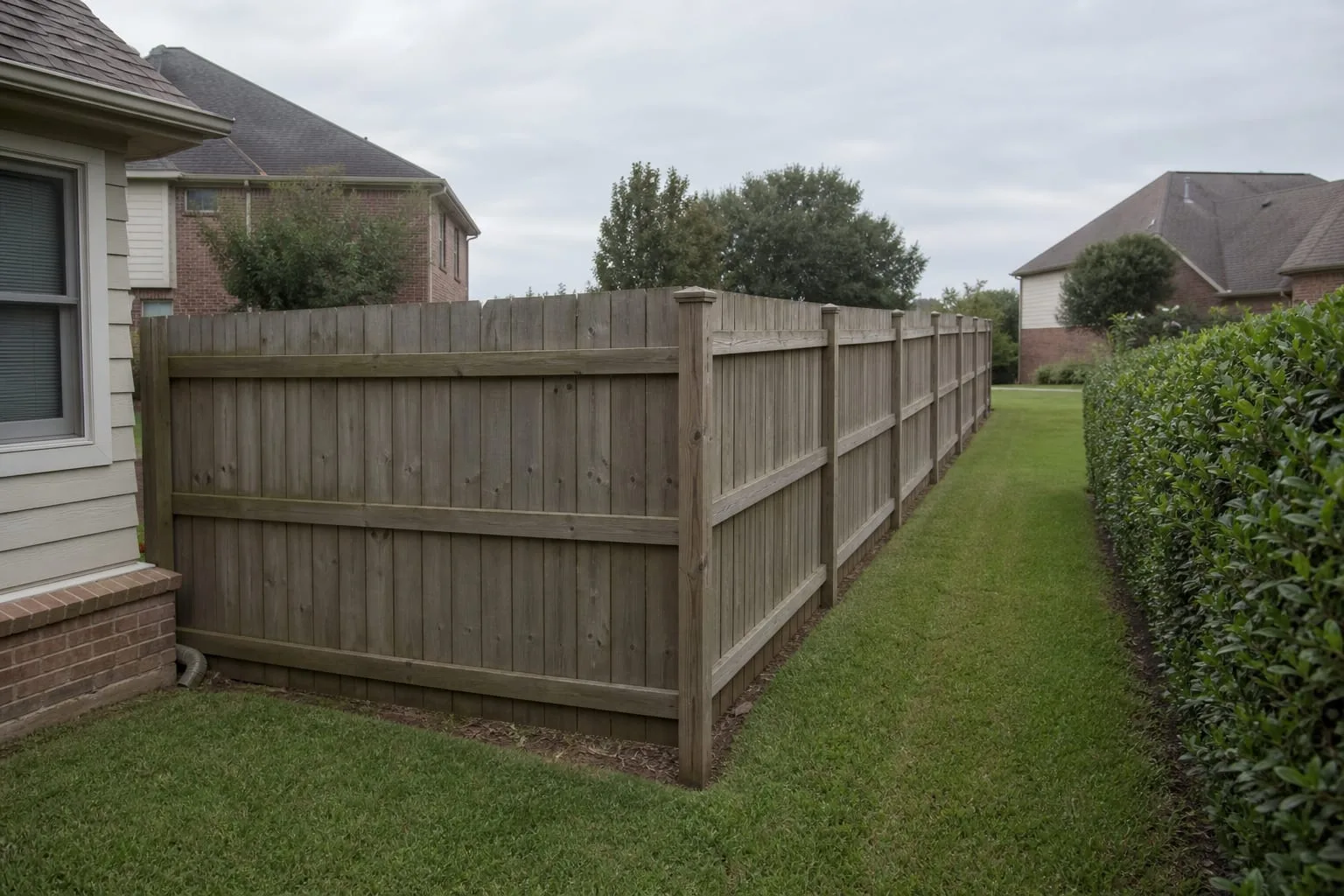
Picture a strip of ground about eighteen inches wide running the length of two suburban yards, with a new fence on one side of it and an established hedge on the other. One neighbor had replaced a rotten fence and set the new posts where he understood the line to be. The other came home to find the fence noticeably closer to his hedge than the old one had been. Neither man was lying about what he believed, which is what makes this case ordinary rather than remarkable, and the shape of what happened next repeats far more often than the details do.
The First Hour, Which Was Worth More Than the Rest of the Bill
The neighbor who felt encroached upon booked an initial consultation and brought his deed, his closing documents, a photograph of the old fence and a printout from the county parcel viewer. The attorney told him three things in under an hour. The parcel viewer is not a survey and carries no evidentiary weight, which surprised him considerably. His deed described the boundary by reference to a recorded plat, meaning the answer already existed in a document neither neighbor had ever opened. And a fence standing in one position for many years can, in some states, affect the legal line regardless of what that plat says.
The advice at the end of that hour was to commission a survey before instructing anybody to do anything at all. It is worth pausing on how much work that consultation did for its fee. It eliminated the parcel viewer, which was the document the client had been arguing from. It identified the governing plat. It named the one doctrine that could have made the fence builder right, and it flagged that the answer to that question is local rather than general, which is exactly what a person cannot look up reliably on their own.
The Survey, Which Was Not a Legal Cost at All
A licensed surveyor set pins and produced a drawing showing the new fence over the line, by rather less than the hedge had suggested but by a real distance along most of its run. This is the single most useful expenditure in any boundary dispute and nobody with a law degree bills it by the hour, which is the part worth noticing. Every conversation afterward had a fact at its center instead of two recollections, and the neighbor who had built the fence, once he was shown the drawing, did not argue with it. Nobody argues with pins in the ground.
The Letter That Did the Work a Conversation Should Have Done
The attorney sent a short letter setting out the survey, the position of the fence relative to the recorded line, and a proposal with two options: move the three affected posts, or grant a written easement over the strip in exchange for a stated sum. One page, two choices, no threats anywhere in it. The other side's attorney read it in twenty minutes and told his client it was reasonable, which is a letter earning its fee comfortably. It was also the last moment at which the bill was clearly buying an outcome rather than buying activity.
What made it effective was that it asked for a decision rather than a concession. Both options were things the fence builder could say yes to without conceding he had been careless, which matters more in a neighbor dispute than in a commercial one, since the parties have to keep living next to each other afterward. A letter that had demanded an admission alongside the remedy would have produced a defensive reply and another round of correspondence, and the file would have grown without moving.
Where the Money Stopped Doing Anything
The next four months produced a sequence of exchanges about who paid for moving the posts, a figure smaller than one round of correspondence about it. Each letter was competent and each was billed. Neither party moved, because by then the argument had quietly stopped being about the fence and become about the hedge, the driveway, and a disagreement from several years earlier that no attorney had ever been told about. The fees over those four months exceeded the consultation, the survey and the original letter combined, and they resolved nothing at all.
It ended when the two men happened to speak directly at the mailbox and split the post moving cost down the middle, which had been available since the first letter landed. Run properly, this dispute is a consultation, a survey, one letter and a signed agreement, which is a small four figure exposure finished inside six weeks. The version that actually ran cost several multiples of that and finished in the same place, and the difference was not legal skill. Neither party had decided in advance what outcome they would accept, so the instruction became keep corresponding.
What the Case Says About Buying Legal Time
Buy the fact before you buy the argument. A survey, an inspection report, a written estimate from a second trade: whatever converts a disagreement into a document costs less than a single month of correspondence and changes what everybody is talking about. Then decide your acceptable outcome before the second letter goes out, write it down, and take a proposal that meets it even if the other party is being unpleasant about the manner of the offer. Those two habits are what separate the cheap version of this dispute from the expensive one.
Use an attorney for the parts that genuinely need one, which is reading a deed, knowing what adverse possession requires in your particular state, and drafting an easement that will survive both houses being sold. Relaying an offer about post holes is not that, and an honest attorney will say so if you ask directly whether the next letter is likely to move anything. The two neighbors still share a fence. It sits on the surveyed line, there is a recorded agreement covering the strip, and the file closed in a way that will not reopen at the next closing.
Alma Sandoval
Alma writes about the parts of a deal that are still open.