Legal Affairs
Work Gone Wrong? The Sequence That Keeps a Contractor Complaint From Falling Apart
Almost every failed complaint fails because the stages were taken out of order, not because the homeowner was wrong about the work itself.
- Words
- 1,212
- Written by
- Tobias Renfrew
- Filed
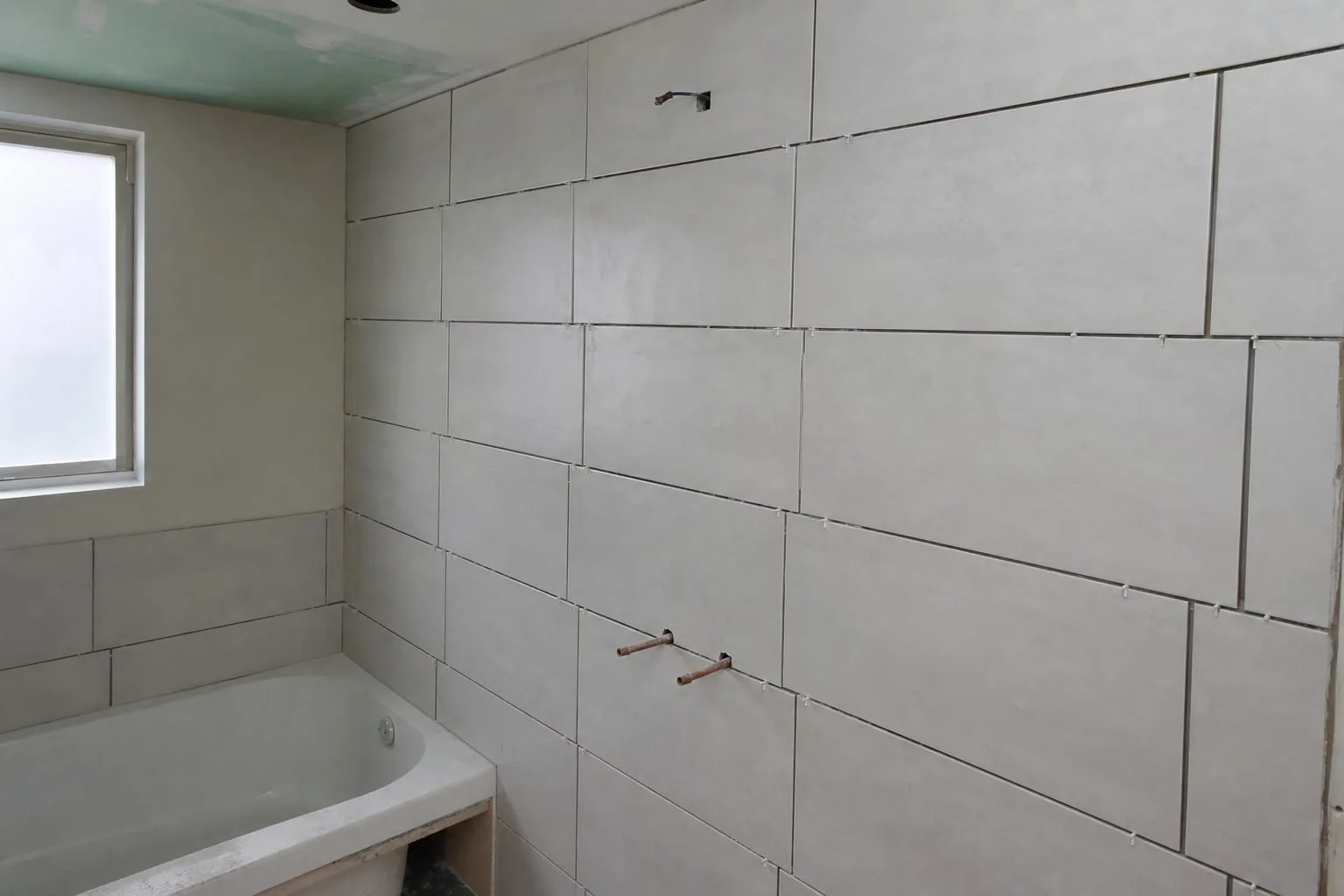
A second bedroom is tiled, the lippage runs visibly across four rows, and the contract said level installation. The homeowner does what almost everybody does, which is call, get an evasive answer, and then start drafting something furious at eleven at night. What decides how this ends is not the wording of that message. It is the order in which the next five things happen, because almost every complaint that falls apart does so at a stage that was skipped, and the skip hands the other side a defense they would never have had otherwise.
Stopping, Recording, and Keeping the Only Leverage You Have
Before any conversation, record what exists. Photographs taken from far enough back to show which room and close enough to show the defect, with something in the frame for scale, and video of anything that only misbehaves intermittently, whether that is a door that binds, a drain that gurgles or a switch that arcs. Then write a dated note of what you observed and when, in plain language, while the memory is fresh. It does not need to read like a legal document. It needs a date on it, which is the thing that makes it useful nine months later.
Then stop paying. Any money still outstanding is the only real leverage in the situation and it evaporates the instant it is transferred, which is why a retainage clause or a final payment tied to completion exists in the first place. What you should not do is withhold money already earned for work that was done properly, because that turns your complaint into their claim and now two disputes are running in opposite directions. Hold what the contract lets you hold, release what it does not, and keep the distinction clear enough to explain in one sentence.
Putting the Chance to Fix It in Writing
Call first if you want to, and then write, because as far as any later process is concerned the call did not happen unless something in writing followed it. The message needs four things and nothing else: what was agreed, quoting the estimate or the contract line; what was actually done; what you want done about it; and a date by which you want a response. Two paragraphs and no adjectives. Send it by email so the timestamp exists, and if the sum involved is significant, follow it with a mailed copy that same week.
Keep the tone flat, because a letter calling the work a disgrace invites a defensive reply about your conduct, while a letter saying the tile in the second bedroom has lippage across four rows against a contract specifying a level installation invites a conversation about tile. Most disputes end at this stage, and the ones that end here tend to end well. A competent contractor with a scheduling problem and a bad subcontractor will usually come back, since a return visit costs them considerably less than a fight and they know it before you do.
The Level Above Them, Which Almost Nobody Uses
If the written notice produces nothing, find the level above the person ignoring you. For a franchise that means the regional or national office, and franchisees are frequently far more responsive to a complaint that has been copied upward than to the same complaint sent only to them. For a licensed trade it means the state licensing board, which holds the license the contractor needs in order to keep working at all, and which will take a written complaint from a member of the public without charging for the privilege.
The board route is underused because people assume it is slow and toothless. It is free, genuinely independent, and a complaint on file is a real cost to a business that intends to keep trading. What it usually will not do is recover your money, since most boards regulate conduct rather than order compensation, and that is worth knowing before you pin hopes on it. File anyway, because it runs in parallel with everything else. If the job needed a permit, a building inspector who has failed the work has produced a document worth more than any photograph you could take.
What the Payment Method Decided Months Ago
How you paid determines what is available now, which is why the choice matters at the start of a job rather than at the end of one. A credit card carries a dispute process with the issuer, with time limits that run from the transaction or from the expected completion date rather than from the day you finally gave up on the contractor, and those limits are shorter than most people assume. That is one more reason not to spend four unhurried months on written notice while a clock you have not read is running out.
If you want those rules in plain language rather than buried in a card agreement, the Federal Trade Commission publishes the consumer version, and it is also where a contractor who does this to household after household eventually gets reported by enough of them to matter. A job financed through a lender the contractor arranged may carry its own dispute route worth reading before you assume otherwise. A check or a transfer gives you nothing procedural, and cash gives you less, since it often means no clear record of the amount exists at all.
Small Claims and the Arithmetic of Going Further
Small claims court handles disputes up to a limit that varies by state, filing costs a modest fee, and in most states you appear without an attorney, which is precisely what makes it usable by ordinary people. Bring the contract, the estimate, the photographs, the written exchange showing you offered a chance to fix it, and one written estimate from another contractor for putting the work right, since that last document is what converts a grievance into a number. Then do the arithmetic honestly, counting your own time and the real possibility of holding a judgment against a company with no assets to collect from.
The Four Moves That Undo an Otherwise Good Position
Letting a second contractor tear out the first one's work before it has been documented destroys the evidence and leaves the argument to be conducted from memory. Posting about a live dispute online produces a document the other side will happily quote back. Refusing all contact hands them the position that they tried to resolve it and got no answer. Withholding money that was properly earned converts your complaint into theirs. None of these looks like a mistake at the time, and all four are made by people who are entirely right about the underlying problem.
Run in sequence, each stage feeds the next one: the dated photographs support the written notice, the notice proves you offered a fix, and the failed inspection and the licensing complaint support the filing. Run out of order, each stage undercuts the one after it. Most homeowners never get past the written notice, which is the point. The ones who do arrive at the later stages carrying a file that answers every question before anybody has to ask it, and that file, rather than the furious message drafted at eleven at night, is what gets the tile put right.
Tobias Renfrew
Tobias covers complaints, claims, and the paths open once something has gone wrong.