Digital
The Enrollment Code and the Free Freeze: Reading a Breach Letter for What It Omits
The code in a breach notification buys an alert after something has happened. A freeze stops the thing from happening, and only one of the two is free forever.
- Words
- 971
- Written by
- Alma Sandoval
- Filed
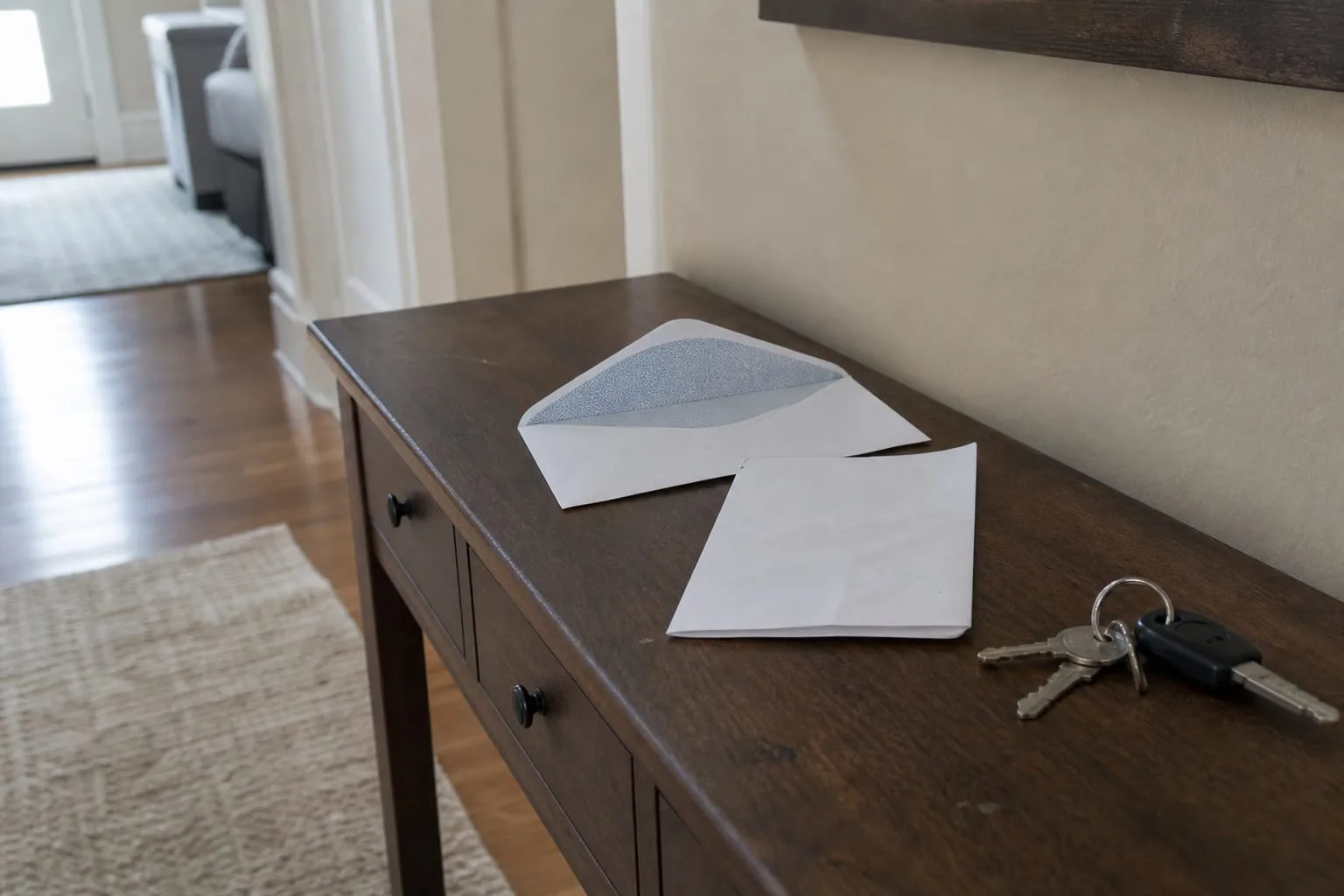
The envelope arrives with an apology, a paragraph about an incident at a vendor you have never heard of, and an enrollment code for twelve or twenty four months of complimentary credit monitoring. The code is the part almost everybody uses, partly because it is the only instruction the letter gives and partly because using it feels like doing something. It is also the weakest tool available to you that afternoon, and the strongest one is not mentioned anywhere in the envelope, costs nothing at all, and does not expire on a date the sender chose.
What Credit Monitoring Actually Watches
Monitoring services watch your files at the credit bureaus and tell you when something in them changes, whether that is a new account, a hard inquiry or an address update. It is a notification service, which makes it detection rather than prevention, and that distinction is the whole of the matter. Somebody holding your details can still open an account in your name while monitoring runs, and what the service does instead is shorten the gap between the fraud and your discovery of it from months to days. Two limits are worth circling: many free offers watch one bureau rather than all three, and every offer expires while the exposed details do not, since a date of birth is permanent and a Social Security number effectively is.
What a Freeze Does From the Other End
A freeze works on the lender rather than on you. The bureau still holds your file, but it will not hand that file to a company that asks for it, and since virtually every new account turns on precisely that request, the application simply dies at the credit check. Not flagged for review, not delayed for verification, but dead, because the lender cannot get the report it needs to make a decision. Freezes are free to place, free to lift and free to remove at all three major bureaus, and have been free nationwide for several years now.
You place one at each bureau separately, which takes about ten minutes each online, and you come away with a PIN or an account login for lifting it later. The usual objection is inconvenience, and it is much smaller than it used to be. Applying for a card, a mortgage or a phone contract means lifting the freeze temporarily, which you can do online for a set window and often within minutes of deciding to. For a household that applies for credit twice a year, that is twenty minutes of annual friction in exchange for closing the door identity theft normally walks through.
The Fraud Alert That Sits Between Them
Between the two sits a third option that gets overlooked because it is less dramatic than a freeze and less advertised than monitoring. A fraud alert puts a note on your file asking lenders to take additional steps to verify identity before opening an account. It is free, it lasts a year and renews, and placing it at one bureau propagates it to the other two, which makes it noticeably faster to set up than three separate freezes. It is a request rather than a block, though, and the difference shows up under pressure, since compliance runs through each lender's own process and a rushed online application at eleven at night is exactly where an extra verification step gets thin.
The Order Worth Working Through
Start by reading what was actually exposed, because an email address and a password is a different problem from a Social Security number and a date of birth, and only the second calls for a freeze. If a password was involved, change it everywhere you reused it and begin with your email account, since a stolen password stays a single problem only for as long as it was used in a single place. Then freeze all three bureaus if identifying details were named, and do it the same week, while the letter is still on the counter and you still remember.
Take the free monitoring anyway, because it costs nothing beyond an email address and layered on top of a freeze it is a reasonable second line. Pull your own credit reports as well, since you are entitled to free copies and reading them yourself catches accounts that predate this breach entirely and have nothing to do with it. Then put a note in the calendar for the month the free monitoring lapses, so that continuing or stopping becomes a decision you make deliberately rather than an expiry that simply happens to you while you are busy.
Why the Envelope Leads With the Code
It is worth being clear about the incentive behind the letter. The breached company is buying a service, frequently from a firm that specializes in exactly this kind of response, and the offer demonstrates to regulators and customers alike that something was done. It costs a modest amount per person, take-up is low, and none of that makes the offer worthless. It does explain why the envelope leads with an enrollment code rather than with a plain sentence telling you that you can freeze your own file this afternoon, permanently, for nothing.
If a bureau drags its feet on a freeze, or a disputed entry stays on your file regardless, the complaint goes to the Consumer Financial Protection Bureau, which also keeps the plain language version of the freeze and alert rules that the letter declined to summarize. Read that first and the envelope stops being alarming and becomes a short list of tasks. Most of them you will only ever do once, the freeze sits quietly behind every future application without asking anything of you, and the enrollment code goes back to being what it always was, which is a useful extra rather than the answer.
Alma Sandoval
Alma writes about the parts of a deal that are still open.