Legal Affairs
Roof Damaged in the Storm? Four Deadlines Started Running on the Same Day
Four separate clocks begin on the day of the storm, none of them announced, and the one most people miss is not the deadline in the insurance policy.
- Words
- 862
- Written by
- Tobias Renfrew
- Filed
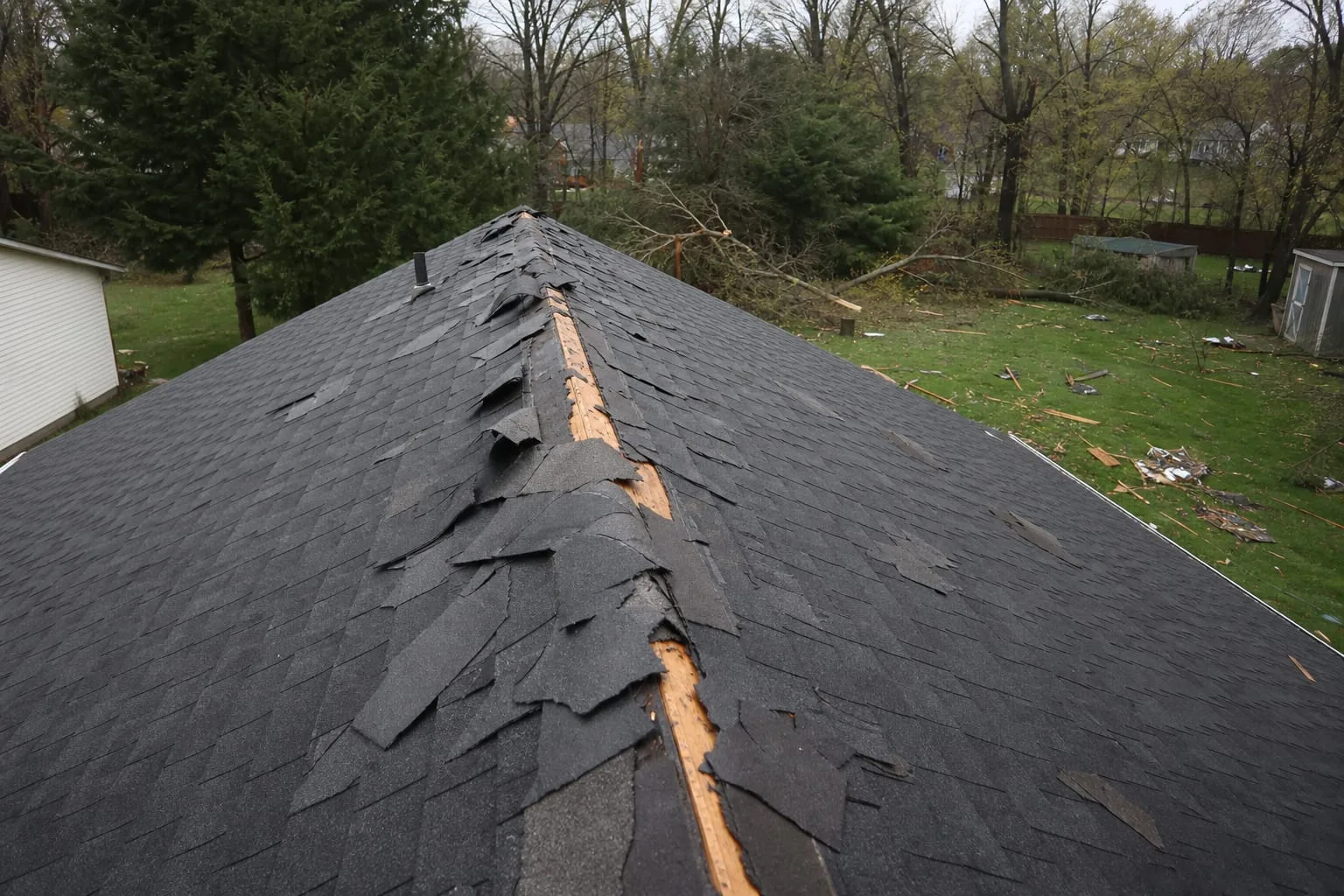
Storm season produces the same sequence in every affected neighborhood. Damage on a Tuesday night, a wave of contractors working the streets by Thursday, a claim filed within a fortnight, and a dispute three months later about workmanship or about what the insurer agreed to pay for. Four separate clocks started on the night of the storm. None of them was announced to anybody, they run at different speeds and toward different parties, and the one that catches homeowners most often is not written in the insurance policy at all.
Prompt Notice to the Insurer
Every property policy requires notice of a loss within a period described as prompt or immediate or as a specific number of days, which makes this the earliest running clock and also the easiest of the four to satisfy. Delay creates a defense for the carrier, not automatically but practically, because a gap between the storm and the report invites the argument that the damage came from something else or that waiting made it worse than it had to be.
After a widely reported storm that argument is considerably weaker, since the event itself is documented by everybody, and yet it still costs time and correspondence to work past. Report within days even if nobody has been up on the roof yet, because a claim number can be opened long before the extent of anything is known. Nothing about opening a claim commits you to pursuing it, and the file with an early date on it is worth more than the tidiness of waiting until you have the full picture.
The Contractor's Own Limitation, Which Is the One Missed
If the eventual dispute is with the roofer rather than with the insurer, the deadline for that claim is set by state law and by the contract you signed, and neither of those cares about your insurance timeline. States set limitation periods for breach of contract and for construction defects and they vary considerably, with some running from the date of the work and others from the date a defect was or should have been discovered, which is a distinction that decides cases.
Separately, many contracts contain their own shorter notice requirement, meaning language obliging you to report defects in writing within a stated period that is often much shorter than the statutory one. Read the contract you signed with the roofer, find any sentence about notifying defects, and note the period somewhere you will see it again. If workmanship problems appear, put the notice in writing immediately whatever else is happening with the insurer, because the two processes run independently and only one of them is being managed by anybody.
The Insurer's Deadlines, Which Run Both Ways
Policies impose obligations on the carrier as well, and most states set timeframes by regulation covering acknowledgment of a claim, completion of an investigation, and payment or denial. Those work in the policyholder's favor and almost nobody invokes them, though a polite written request for a status update referencing the state's claim handling timeframes tends to be effective, since compliance is measured against exactly those numbers. Two clocks run the other way inside the claim: the deadline for completing repairs to recover held back depreciation, and a suit limitation clause that is frequently shorter than the general limitation period in your state.
The Right to Cancel What Was Signed on the Porch
Contracts signed at your home are subject to cancellation rights in most states, typically running a few days from signature, and several states have specific provisions for contracts to repair storm damage that is subject to an insurance claim. This matters because of how storm work is sold: a crew is already in the neighborhood, somebody knocks, and a contingency agreement gets signed on the porch committing the household to that contractor if the claim is approved. Those agreements are legitimate and they are also signed under precisely the conditions the cancellation rules were written for.
What to Do Now, and Before the Next Season
Photograph everything from the ground before anything is cleaned up, including the yard, the gutters and the debris. Report the loss and write down the claim number and the adjuster's details. Get your own roofer to inspect and produce a written assessment independent of anybody who knocked. Keep every contract, estimate and letter in one place in date order. Then put four dates in the calendar: the storm date, the cancellation deadline on anything signed, the repair completion deadline for held back depreciation, and a reminder to check the defect notice period in the contract.
The most useful thing available costs twenty minutes on a clear day well before any of this. Photograph the roof, gutters, siding and fences while they are undamaged and save the images somewhere dated, because pre-loss condition is the argument that consumes the most time in storm claims and dated photographs from three months earlier end it immediately. Documenting property in advance is one of the standing recommendations in the national preparedness material published at Ready.gov by the Federal Emergency Management Agency, and it is the rare preparation that takes an afternoon and holds its value for years.
Tobias Renfrew
Tobias covers complaints, claims, and the paths open once something has gone wrong.