Motoring
The Rule About Never Spending More Than the Car Is Worth Gets It Backward
The usual advice is not to spend more on a repair than the vehicle would fetch. Following it is how people replace a serviceable car with a car payment.
- Words
- 1,161
- Written by
- Tobias Renfrew
- Filed
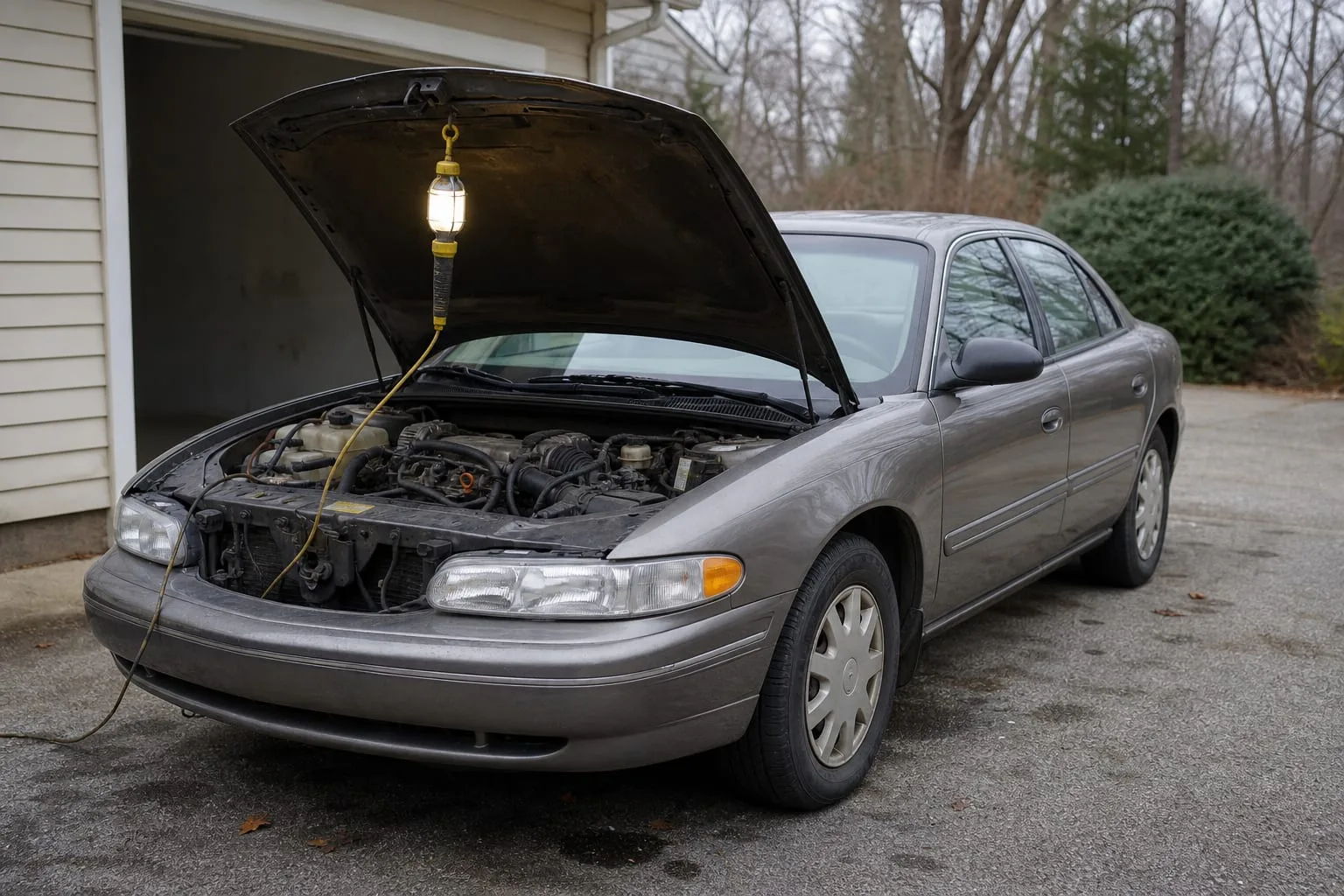
Take a twelve year old sedan with high but not extreme mileage, one owner, and a complete service history for the last six years. It needs a repair the shop has quoted at roughly two and a half thousand dollars, the sort of job involving a major assembly and most of a day of labor. The car would not fetch that on the open market, and for most owners the comparison stops right there. That is the least useful fact available, and acting on it is how people trade a working vehicle for a monthly payment.
Why the Rule of Thumb Compares the Wrong Two Numbers
The advice not to spend more on a repair than the vehicle is worth quietly treats two unrelated figures as if they belonged on the same page. What the car would fetch is a statement about the used market and about what a stranger would pay to take on your maintenance history. What the repair costs is a statement about your transportation for the next several years. Neither number tells you anything whatsoever about the other, and pairing them feels rigorous while producing an answer arrived at by coincidence.
The comparison that actually decides it is cost per month of keeping this car against cost per month of the alternative, measured over the same period and counting everything on both sides. That framing changes the question from whether the repair is large to whether the repair is large relative to thirty six months of car payments, insurance and registration on something newer. Once it is stated that way, most people can do the arithmetic in an evening, and most people have never been shown that this is the arithmetic.
Three Questions That Come Before Any Arithmetic
Two of these can end the discussion before any numbers appear. Is the body sound, because structural rust is the one condition that genuinely finishes a car? Mechanical parts can be replaced more or less indefinitely, while a rotted subframe, rocker panels or floor cannot be replaced economically, and no amount of engine work is worth doing on top of one. Get underneath it yourself or pay somebody to look, since this is the cheapest and most decisive check in the whole exercise.
Is this the third repair this year, because one large repair on a well maintained car is an event while three in twelve months across unrelated systems is a pattern, and patterns predict the next one? The distinction being drawn is between a component reaching the end of its life and a vehicle doing so. And do you actually trust the diagnosis, since a second opinion on a job of this size costs one diagnostic fee and occasionally changes the answer completely, which makes it the least expensive step available.
Running Both Sides Over the Same Thirty Six Months
Suppose the body is sound, this is the first significant repair in three years, and a second shop confirmed the diagnosis. Keeping the car means the repair now plus running costs afterward: insurance on an older vehicle, registration, fuel, and a realistic allowance for the maintenance a car of this age needs, meaning brakes, tires, a battery and one unexpected item a year. Spread the repair across the months you expect to keep it, and remember that the resulting figure is competing against a car payment rather than against zero.
Replacing means a purchase price, or a deposit plus finance, higher insurance because the vehicle is worth more, higher registration in states that assess by value, and its own maintenance, which is lower but never nothing. Add sales tax and the fees, which people routinely omit and which are not small. Run both as monthly numbers across the same thirty six months and, in the case described here, the repaired car usually wins by a margin wide enough that being wrong about a year of remaining life does not reverse it.
The Costs That Get Left Off the Replacement Side
Comparisons tend to flatter the newer car, because the repair is a single visible number while the replacement cost arrives spread across a dozen invisible ones. Sales tax on the purchase, charged in most states on the full price rather than on the difference after a trade. Title, registration and whatever documentation fee the dealer adds. Insurance, which climbs with the value of the vehicle and can climb sharply on a financed car that has to carry comprehensive and collision coverage at a low deductible.
Then registration fees that scale with value in states assessing them that way, and interest, which on a longer term adds a real amount to what the car eventually cost. Added honestly, those items widen the gap further, usually by more than the repair itself. There is one legitimate entry on the other side of the ledger, which is that a newer vehicle may use less fuel and will carry a warranty for a period, genuinely reducing the risk of an unplanned bill. Value that realistically, since used vehicle coverage is often shorter than the buyer assumes.
Where the Repair Genuinely Loses
Three situations reverse the conclusion and deserve saying plainly. When the repair is one of a sequence, meaning the timing components are due, the suspension is tired and the transmission has begun to slip, you are not choosing between one repair and a newer car but between several repairs and a newer car. When the vehicle simply has to be reliable, because it is used for work or by somebody who cannot be stranded, failure carries a cost that appears on no invoice. And when the prognosis is uncertain, because a shop saying this will fix it is offering something quite different from a shop saying this should help.
The Middle Options, and What This Owner Did
The choice is rarely binary, and three intermediate routes get overlooked. A remanufactured assembly, where one exists, can bring the repair down substantially and still carry a warranty, and a good independent shop will quote both while a dealer usually quotes one. Deferring part of the work is often legitimate, so ask the shop to split the estimate into what safety and reliability require now and what can wait six months, which turns one large bill into two manageable ones. Selling as is with the fault disclosed is worth pricing before assuming it is a disaster.
In the case this example is drawn from, the second opinion confirmed the diagnosis and came in slightly lower using a remanufactured part. The owner had the work done, kept the car another four years, and spent less across that entire period than the deposit alone on the replacement they had been considering. The decision was never really about the car. It was about running complete numbers over the same horizon on both sides, which took one evening, and about the fact that the body underneath was sound, which took ten minutes and a flashlight to establish.
Tobias Renfrew
Tobias covers complaints, claims, and the paths open once something has gone wrong.